Buy shopping-outlets.com ?
We are moving the project
shopping-outlets.com .
Are you interested in purchasing the domain
shopping-outlets.com ?
domain@kv-gmbh.de · 0541-91531010
Buy shopping-outlets.com ?
Which DNS server?
The DNS server is a crucial component of the internet infrastructure that translates domain names into IP addresses. There are different types of DNS servers, including authoritative DNS servers, recursive DNS servers, and public DNS servers like Google DNS or OpenDNS. The choice of DNS server depends on factors such as speed, security, and reliability, so it is important to select a DNS server that meets your specific needs. **
What is DNS?
DNS, or Domain Name System, is a system that translates domain names into IP addresses. It acts as a phone book for the internet, allowing users to access websites and other online services using easy-to-remember domain names instead of complex numerical IP addresses. DNS plays a crucial role in the functioning of the internet by facilitating the communication between devices and servers. **

Similar search terms for DNS
Top-Angebote
Products related to DNS:
-
Inspired Deals 10PCS T10 LED Bulb W5W 194 LED Replacement Car Clearance Parking Lights pink LightExperience brighter, more reliable lighting every time you drive. This T10 LED bulb set is designed for drivers who want a quick lighting upgrade without complicated installation. Built with efficient SMD 3030 LEDs, these car clearance lights...34,97 $*Shipping: 0,00 $Secure redirect to the provider
-
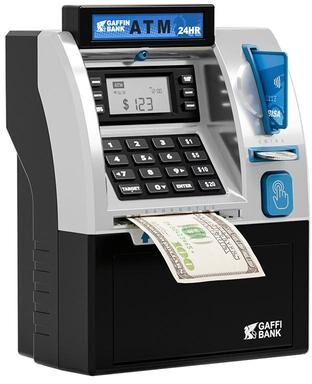
Inspired Deals Electronic ATM Piggy Bank For Kids With Card Swipe, Password Lock, Coin & Cash Savings Safe blackTurn saving money into an exciting realworld experience for children with a smart interactive ATM piggy bank designed to make learning finance fun and engaging. This kids savings bank helps children build responsibility while enjoying realistic...129,97 $*Shipping: 0,00 $Secure redirect to the provider
-
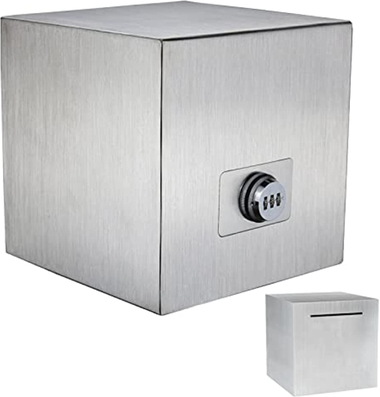
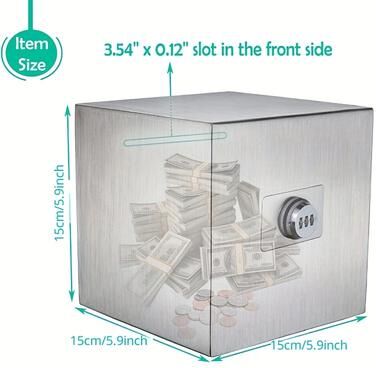
Smart Shopping Spot SecureLock Metal Bank With Password Reusable Adult Savings Box sSaving money becomes effortless when security meets motivation. This password piggy bank is designed for adults who want a reliable and disciplined way to build savings without temptation. Crafted from durable stainless steel, it offers a...79,97 $*Shipping: 0,00 $Secure redirect to the provider
-
Inspired Deals 10PCS T10 LED Bulb W5W 194 LED Replacement Car Clearance Parking Lights red LightExperience brighter, more reliable lighting every time you drive. This T10 LED bulb set is designed for drivers who want a quick lighting upgrade without complicated installation. Built with efficient SMD 3030 LEDs, these car clearance lights...34,97 $*Shipping: 0,00 $Secure redirect to the provider


-
What is the significance of primary DNS and secondary DNS?
Primary DNS and secondary DNS are both crucial components of a domain name system (DNS) setup. The primary DNS server is the first point of contact for translating domain names into IP addresses, and it is responsible for hosting the authoritative DNS records for a domain. The secondary DNS server acts as a backup to the primary server, ensuring redundancy and improving the reliability and availability of the DNS service. Having both primary and secondary DNS servers helps to distribute the DNS query load, provide failover support, and prevent downtime in case the primary server fails. **
-
What is the meaning of primary DNS and secondary DNS?
Primary DNS and secondary DNS are both part of the Domain Name System, which is responsible for translating domain names into IP addresses. The primary DNS server is the first point of contact for a device trying to access a website or service, and it is responsible for resolving domain names into IP addresses. The secondary DNS server acts as a backup to the primary server, and it is used if the primary server is unavailable or experiencing issues. Having both primary and secondary DNS servers helps to ensure reliable and redundant access to websites and services on the internet. **
-
What is a private DNS?
A private DNS is a Domain Name System (DNS) server that is used exclusively within a private network, such as a company's internal network. It is used to resolve domain names to IP addresses within the private network, allowing devices within the network to communicate with each other using domain names. Private DNS servers are not accessible from the public internet, providing an added layer of security and privacy for the internal network. Organizations can customize and manage their private DNS servers to meet their specific needs and requirements. **
-
What is a DNS conflict?
A DNS conflict occurs when there are conflicting or incorrect DNS (Domain Name System) records for a domain. This can lead to issues such as websites not loading correctly, emails not being delivered, or other network-related problems. DNS conflicts can arise from misconfigured DNS settings, outdated records, or changes made to DNS records that have not propagated correctly. Resolving DNS conflicts typically involves identifying and correcting the conflicting records to ensure proper domain resolution. **


Does DNS break in heat?
DNS (Domain Name System) itself does not break in heat. However, the physical infrastructure that supports DNS, such as servers and networking equipment, can be affected by high temperatures. If these components overheat, they may malfunction or shut down, causing DNS services to be disrupted. It is important for organizations to have proper cooling systems and backup plans in place to prevent DNS outages during periods of high heat. **
How does DNS forwarding work?
DNS forwarding works by allowing a DNS server to forward DNS queries to another DNS server if it is unable to resolve the query itself. When a DNS server receives a query for a domain it is not authoritative for, it can forward the query to another DNS server that may have the necessary information. This process helps to improve DNS resolution by allowing multiple DNS servers to work together to resolve queries and provide accurate and up-to-date information to clients. DNS forwarding can be configured at the DNS server level to specify which DNS servers to forward queries to. **
Top-Angebote
Products related to DNS:
-
Smart Shopping Spot SecureLock Metal Bank With Password Reusable Adult Savings Box mSaving money becomes effortless when security meets motivation. This password piggy bank is designed for adults who want a reliable and disciplined way to build savings without temptation. Crafted from durable stainless steel, it offers a...99,97 $*Shipping: 0,00 $Secure redirect to the provider
-
Inspired Deals Dinosaur Coin Bank Toy For Kids Interactive Savings Money Bank gingerImagine turning everyday saving into a moment your child looks forward to. This dinosaur coin bank toy brings playful excitement to learning money habits, as the cute dinosaur pops out to steal coins in a fun and surprising way. Designed for kids...44,97 $*Shipping: 0,00 $Secure redirect to the provider
-
Inspired Deals 10PCS T10 LED Bulb W5W 194 LED Replacement Car Clearance Parking Lights pink LightExperience brighter, more reliable lighting every time you drive. This T10 LED bulb set is designed for drivers who want a quick lighting upgrade without complicated installation. Built with efficient SMD 3030 LEDs, these car clearance lights...34,97 $*Shipping: 0,00 $Secure redirect to the provider
-
Inspired Deals Electronic ATM Piggy Bank For Kids With Card Swipe, Password Lock, Coin & Cash Savings Safe blackTurn saving money into an exciting realworld experience for children with a smart interactive ATM piggy bank designed to make learning finance fun and engaging. This kids savings bank helps children build responsibility while enjoying realistic...129,97 $*Shipping: 0,00 $Secure redirect to the provider
-
Which DNS server?
The DNS server is a crucial component of the internet infrastructure that translates domain names into IP addresses. There are different types of DNS servers, including authoritative DNS servers, recursive DNS servers, and public DNS servers like Google DNS or OpenDNS. The choice of DNS server depends on factors such as speed, security, and reliability, so it is important to select a DNS server that meets your specific needs. **
-
What is DNS?
DNS, or Domain Name System, is a system that translates domain names into IP addresses. It acts as a phone book for the internet, allowing users to access websites and other online services using easy-to-remember domain names instead of complex numerical IP addresses. DNS plays a crucial role in the functioning of the internet by facilitating the communication between devices and servers. **
-
What is the significance of primary DNS and secondary DNS?
Primary DNS and secondary DNS are both crucial components of a domain name system (DNS) setup. The primary DNS server is the first point of contact for translating domain names into IP addresses, and it is responsible for hosting the authoritative DNS records for a domain. The secondary DNS server acts as a backup to the primary server, ensuring redundancy and improving the reliability and availability of the DNS service. Having both primary and secondary DNS servers helps to distribute the DNS query load, provide failover support, and prevent downtime in case the primary server fails. **
-
What is the meaning of primary DNS and secondary DNS?
Primary DNS and secondary DNS are both part of the Domain Name System, which is responsible for translating domain names into IP addresses. The primary DNS server is the first point of contact for a device trying to access a website or service, and it is responsible for resolving domain names into IP addresses. The secondary DNS server acts as a backup to the primary server, and it is used if the primary server is unavailable or experiencing issues. Having both primary and secondary DNS servers helps to ensure reliable and redundant access to websites and services on the internet. **
Similar search terms for DNS
-
Smart Shopping Spot SecureLock Metal Bank With Password Reusable Adult Savings Box sSaving money becomes effortless when security meets motivation. This password piggy bank is designed for adults who want a reliable and disciplined way to build savings without temptation. Crafted from durable stainless steel, it offers a...79,97 $*Shipping: 0,00 $Secure redirect to the provider
-
Inspired Deals 10PCS T10 LED Bulb W5W 194 LED Replacement Car Clearance Parking Lights red LightExperience brighter, more reliable lighting every time you drive. This T10 LED bulb set is designed for drivers who want a quick lighting upgrade without complicated installation. Built with efficient SMD 3030 LEDs, these car clearance lights...34,97 $*Shipping: 0,00 $Secure redirect to the provider
-
Inspired Deals 10PCS T10 LED Bulb W5W 194 LED Replacement Car Clearance Parking Lights green LightExperience brighter, more reliable lighting every time you drive. This T10 LED bulb set is designed for drivers who want a quick lighting upgrade without complicated installation. Built with efficient SMD 3030 LEDs, these car clearance lights...34,97 $*Shipping: 0,00 $Secure redirect to the provider
-
Inspired Deals 10PCS T10 LED Bulb W5W 194 LED Replacement Car Clearance Parking Lights yellow LightExperience brighter, more reliable lighting every time you drive. This T10 LED bulb set is designed for drivers who want a quick lighting upgrade without complicated installation. Built with efficient SMD 3030 LEDs, these car clearance lights...34,97 $*Shipping: 0,00 $Secure redirect to the provider
-
What is a private DNS?
A private DNS is a Domain Name System (DNS) server that is used exclusively within a private network, such as a company's internal network. It is used to resolve domain names to IP addresses within the private network, allowing devices within the network to communicate with each other using domain names. Private DNS servers are not accessible from the public internet, providing an added layer of security and privacy for the internal network. Organizations can customize and manage their private DNS servers to meet their specific needs and requirements. **
-
What is a DNS conflict?
A DNS conflict occurs when there are conflicting or incorrect DNS (Domain Name System) records for a domain. This can lead to issues such as websites not loading correctly, emails not being delivered, or other network-related problems. DNS conflicts can arise from misconfigured DNS settings, outdated records, or changes made to DNS records that have not propagated correctly. Resolving DNS conflicts typically involves identifying and correcting the conflicting records to ensure proper domain resolution. **
-
Does DNS break in heat?
DNS (Domain Name System) itself does not break in heat. However, the physical infrastructure that supports DNS, such as servers and networking equipment, can be affected by high temperatures. If these components overheat, they may malfunction or shut down, causing DNS services to be disrupted. It is important for organizations to have proper cooling systems and backup plans in place to prevent DNS outages during periods of high heat. **
-
How does DNS forwarding work?
DNS forwarding works by allowing a DNS server to forward DNS queries to another DNS server if it is unable to resolve the query itself. When a DNS server receives a query for a domain it is not authoritative for, it can forward the query to another DNS server that may have the necessary information. This process helps to improve DNS resolution by allowing multiple DNS servers to work together to resolve queries and provide accurate and up-to-date information to clients. DNS forwarding can be configured at the DNS server level to specify which DNS servers to forward queries to. **
* All prices are inclusive of VAT and, if applicable, plus shipping costs. The offer information is based on the details provided by the respective shop and is updated through automated processes. Real-time updates do not occur, so deviations can occur in individual cases. ** Note: Parts of this content were created by AI.