Buy shopping-outlets.com ?
We are moving the project
shopping-outlets.com .
Are you interested in purchasing the domain
shopping-outlets.com ?
domain@kv-gmbh.de · 0541-91531010
Buy shopping-outlets.com ?
Can the direct current cross-section be distributed across multiple cables?
Yes, direct current can be distributed across multiple cables. By connecting multiple cables in parallel, the total current can be divided among the cables, allowing for the distribution of the direct current across them. This method is commonly used in electrical systems to ensure that the current is evenly distributed and to prevent overloading of individual cables. **
How do I determine the polarity of cables in direct current?
To determine the polarity of cables in direct current, you can use a multimeter set to the DC voltage setting. Connect the red probe to the positive terminal of the cable and the black probe to the negative terminal. If the multimeter shows a positive reading, then the red probe is connected to the positive terminal. If the reading is negative, then the red probe is connected to the negative terminal. This method helps you identify the polarity of the cables accurately. **


Similar search terms for Cables-Direct-NEWLINK-2MTR
Top-Angebote
Products related to Cables-Direct-NEWLINK-2MTR:
-
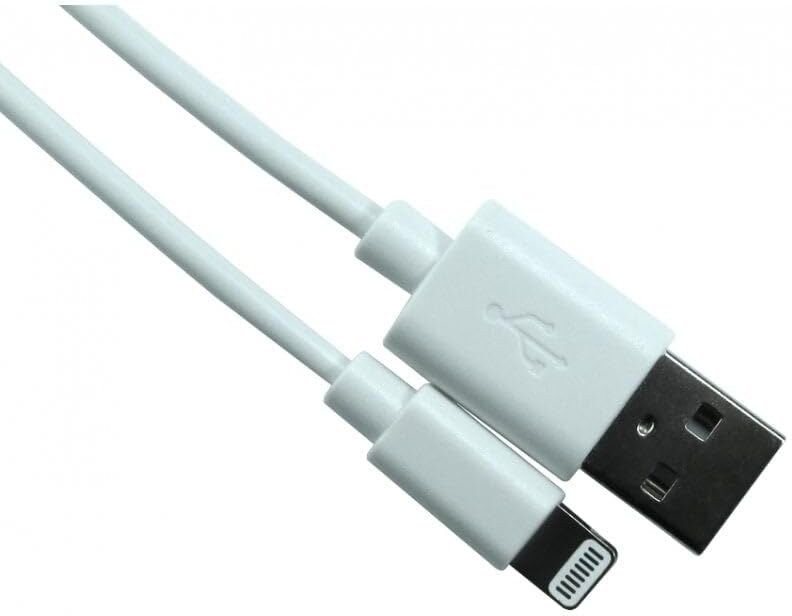
CABLES DIRECT NEWlink Apple Certified USB Lightning Charger Cable - 3 MetreThe USB 2.0 lightning cable is for use on Apple phones with the lightning connector, these cables are MFI certified so that they are guaranteed to work with Apple products.Made for iPhone XS Max, iPhone XS, iPhone XR, iPhone X, iPhone 8, iPhone 8 Plus, iPhone 7, iPhone 7 Plus, iPhone SE, iPhone 6s, iPhone 6s Plus, iPhone 6, iPhone 6 Plus, iPhone 5s, iPad Pro12.9-inch (2nd generation), iPad Pro 10.5-inch, iPad (6th generation), iPad (5th generation), iPad Pro 9.7-inch, iPad Pro 12.9-inch (1st generation). iPad Air2, iPad mini 4, iPad mini 3, iPad Air, iPad mini 2, iPod touch (6th generation).Key Features- USB 2.0- Lightning Connector- White PVC Jacket- Copper Cores- OD 3.0Connection 1Apple Lightning MaleConnection 2USB 2.0 A MaleLength3mColourWhite14,99 £*Shipping: 0,00 £Secure redirect to the provider


-
Do you need thicker cables for direct current than for alternating current?
No, you do not necessarily need thicker cables for direct current (DC) than for alternating current (AC). The current-carrying capacity of a cable is determined by factors such as the material, size, and insulation of the cable, as well as the voltage and current being carried. Both DC and AC have their own unique considerations when it comes to cable sizing, but the need for thicker cables is not inherently tied to the type of current being carried. It ultimately depends on the specific requirements of the electrical system and the application. **
-
How does the stress on cables differ between direct current and alternating current?
In direct current (DC) systems, the stress on cables is relatively constant because the current flows in one direction continuously. This results in a steady and predictable stress level on the cables. On the other hand, in alternating current (AC) systems, the stress on cables fluctuates as the current changes direction periodically. This can lead to higher stress levels on the cables, especially during peak currents, which may require cables to be designed to withstand these fluctuations. **
-
Why does the voltage tester light up on both cables in direct current?
The voltage tester lights up on both cables in direct current because in a direct current circuit, the flow of electric charge is unidirectional. This means that the current flows from the positive terminal to the negative terminal of the power source. When the voltage tester is connected to the cables, it detects the presence of electric potential difference between the two points, causing the light to illuminate on both cables. This indicates that there is a voltage present in the circuit, regardless of the direction of the current flow. **
-
How can one make electrical outlets and cables puppy-proof?
To make electrical outlets and cables puppy-proof, you can use outlet covers or plug protectors to cover the outlets and prevent puppies from accessing them. Additionally, you can use cable management solutions such as cord covers or cable sleeves to keep cables out of reach and prevent puppies from chewing on them. It's also important to keep an eye on your puppy and provide them with appropriate chew toys to redirect their attention away from electrical outlets and cables. **


Are the Black Friday deals real bargains or fake?
Black Friday deals can be a mix of real bargains and fake discounts. Some retailers may inflate the original prices to make the discounts seem larger than they actually are. It's important for consumers to do their research and compare prices before making a purchase to ensure they are getting a genuine deal. Additionally, some products may be older models or lower quality items that are being sold at a discounted price, so it's important to consider the value and quality of the product before making a purchase. **
What is the difference between copper cables, twisted-pair cables, fiber optic cables, and coaxial cables?
Copper cables are made of copper wire and are commonly used for transmitting electrical signals. Twisted-pair cables consist of pairs of insulated copper wires twisted together, which helps reduce electromagnetic interference. Fiber optic cables use thin strands of glass or plastic to transmit data using light pulses, allowing for high-speed and long-distance transmission. Coaxial cables have a central conductor surrounded by an insulating layer, a conductive shield, and an outer insulating layer, and are commonly used for cable television and internet connections. Each type of cable has its own advantages and is used for different purposes based on their unique characteristics. **
Top-Angebote
Products related to Cables-Direct-NEWLINK-2MTR:
-
CABLES DIRECT NEWlink 5m Active USB 2.0 Extension CableThe USB2.0 Active Extension Cable extends USB2.0 device cable lengths. It functions as a transparent hub, buffering all upstream and downstream traffic. The cable buffers data in and out, ensuring the signal adheres to electrical and timing specifications. Passive cables may cause timing errors and data loss.14,99 £*Shipping: 0,00 £Secure redirect to the provider
-
CABLES DIRECT NEWlink Apple Certified USB Lightning Charger Cable - 3 MetreThe USB 2.0 lightning cable is for use on Apple phones with the lightning connector, these cables are MFI certified so that they are guaranteed to work with Apple products.Made for iPhone XS Max, iPhone XS, iPhone XR, iPhone X, iPhone 8, iPhone 8 Plus, iPhone 7, iPhone 7 Plus, iPhone SE, iPhone 6s, iPhone 6s Plus, iPhone 6, iPhone 6 Plus, iPhone 5s, iPad Pro12.9-inch (2nd generation), iPad Pro 10.5-inch, iPad (6th generation), iPad (5th generation), iPad Pro 9.7-inch, iPad Pro 12.9-inch (1st generation). iPad Air2, iPad mini 4, iPad mini 3, iPad Air, iPad mini 2, iPod touch (6th generation).Key Features- USB 2.0- Lightning Connector- White PVC Jacket- Copper Cores- OD 3.0Connection 1Apple Lightning MaleConnection 2USB 2.0 A MaleLength3mColourWhite14,99 £*Shipping: 0,00 £Secure redirect to the provider
-
Can the direct current cross-section be distributed across multiple cables?
Yes, direct current can be distributed across multiple cables. By connecting multiple cables in parallel, the total current can be divided among the cables, allowing for the distribution of the direct current across them. This method is commonly used in electrical systems to ensure that the current is evenly distributed and to prevent overloading of individual cables. **
-
How do I determine the polarity of cables in direct current?
To determine the polarity of cables in direct current, you can use a multimeter set to the DC voltage setting. Connect the red probe to the positive terminal of the cable and the black probe to the negative terminal. If the multimeter shows a positive reading, then the red probe is connected to the positive terminal. If the reading is negative, then the red probe is connected to the negative terminal. This method helps you identify the polarity of the cables accurately. **
-
Do you need thicker cables for direct current than for alternating current?
No, you do not necessarily need thicker cables for direct current (DC) than for alternating current (AC). The current-carrying capacity of a cable is determined by factors such as the material, size, and insulation of the cable, as well as the voltage and current being carried. Both DC and AC have their own unique considerations when it comes to cable sizing, but the need for thicker cables is not inherently tied to the type of current being carried. It ultimately depends on the specific requirements of the electrical system and the application. **
-
How does the stress on cables differ between direct current and alternating current?
In direct current (DC) systems, the stress on cables is relatively constant because the current flows in one direction continuously. This results in a steady and predictable stress level on the cables. On the other hand, in alternating current (AC) systems, the stress on cables fluctuates as the current changes direction periodically. This can lead to higher stress levels on the cables, especially during peak currents, which may require cables to be designed to withstand these fluctuations. **
Similar search terms for Cables-Direct-NEWLINK-2MTR
-
Cables Direct 25m RCA Audio CableOur budget-friendly audio cables feature Nickel connectors, ideal for affordable audio solutions. This Nickel single RCA cable, also known as a phono cable, is designed for audio equipment with RCA sockets, typically used in mono applications or as left/right channels on stereo equipment.11,99 £*Shipping: 0,00 £Secure redirect to the provider
-
Why does the voltage tester light up on both cables in direct current?
The voltage tester lights up on both cables in direct current because in a direct current circuit, the flow of electric charge is unidirectional. This means that the current flows from the positive terminal to the negative terminal of the power source. When the voltage tester is connected to the cables, it detects the presence of electric potential difference between the two points, causing the light to illuminate on both cables. This indicates that there is a voltage present in the circuit, regardless of the direction of the current flow. **
-
How can one make electrical outlets and cables puppy-proof?
To make electrical outlets and cables puppy-proof, you can use outlet covers or plug protectors to cover the outlets and prevent puppies from accessing them. Additionally, you can use cable management solutions such as cord covers or cable sleeves to keep cables out of reach and prevent puppies from chewing on them. It's also important to keep an eye on your puppy and provide them with appropriate chew toys to redirect their attention away from electrical outlets and cables. **
-
Are the Black Friday deals real bargains or fake?
Black Friday deals can be a mix of real bargains and fake discounts. Some retailers may inflate the original prices to make the discounts seem larger than they actually are. It's important for consumers to do their research and compare prices before making a purchase to ensure they are getting a genuine deal. Additionally, some products may be older models or lower quality items that are being sold at a discounted price, so it's important to consider the value and quality of the product before making a purchase. **
-
What is the difference between copper cables, twisted-pair cables, fiber optic cables, and coaxial cables?
Copper cables are made of copper wire and are commonly used for transmitting electrical signals. Twisted-pair cables consist of pairs of insulated copper wires twisted together, which helps reduce electromagnetic interference. Fiber optic cables use thin strands of glass or plastic to transmit data using light pulses, allowing for high-speed and long-distance transmission. Coaxial cables have a central conductor surrounded by an insulating layer, a conductive shield, and an outer insulating layer, and are commonly used for cable television and internet connections. Each type of cable has its own advantages and is used for different purposes based on their unique characteristics. **
* All prices are inclusive of VAT and, if applicable, plus shipping costs. The offer information is based on the details provided by the respective shop and is updated through automated processes. Real-time updates do not occur, so deviations can occur in individual cases. ** Note: Parts of this content were created by AI.