Buy shopping-outlets.com ?
We are moving the project
shopping-outlets.com .
Are you interested in purchasing the domain
shopping-outlets.com ?
domain@kv-gmbh.de · 0541-91531010
Buy shopping-outlets.com ?
What type of inhibition occurs through allosteric activation/inhibition?
Allosteric inhibition occurs when a molecule binds to an allosteric site on an enzyme, causing a conformational change that reduces the enzyme's activity. This type of inhibition is non-competitive, meaning it does not compete with the substrate for the active site. Allosteric activation, on the other hand, occurs when a molecule binds to an allosteric site and enhances the enzyme's activity. Both allosteric inhibition and activation involve the binding of a regulatory molecule to a site other than the active site of the enzyme, leading to a change in the enzyme's activity. **
Is allosteric inhibition the same as non-competitive inhibition?
Allosteric inhibition and non-competitive inhibition are not the same, although they are related. Non-competitive inhibition refers to the binding of an inhibitor to a site on the enzyme that is not the active site, thereby preventing the substrate from binding to the active site. Allosteric inhibition, on the other hand, occurs when an inhibitor binds to a site on the enzyme that is distinct from the active site, causing a conformational change in the enzyme that reduces its activity. While both types of inhibition involve the binding of an inhibitor to a site other than the active site, allosteric inhibition specifically involves a change in the enzyme's shape and activity. **

Similar search terms for Inhibition
Top-Angebote
Products related to Inhibition:
-
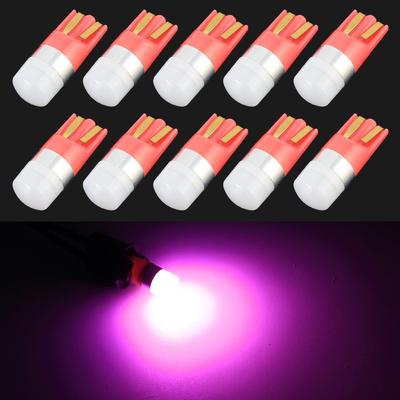
Inspired Deals 10PCS T10 LED Bulb W5W 194 LED Replacement Car Clearance Parking Lights pink LightExperience brighter, more reliable lighting every time you drive. This T10 LED bulb set is designed for drivers who want a quick lighting upgrade without complicated installation. Built with efficient SMD 3030 LEDs, these car clearance lights...34,97 $*Shipping: 0,00 $Secure redirect to the provider
-
Inspired Deals Electronic ATM Piggy Bank For Kids With Card Swipe, Password Lock, Coin & Cash Savings Safe blackTurn saving money into an exciting realworld experience for children with a smart interactive ATM piggy bank designed to make learning finance fun and engaging. This kids savings bank helps children build responsibility while enjoying realistic...129,97 $*Shipping: 0,00 $Secure redirect to the provider
-
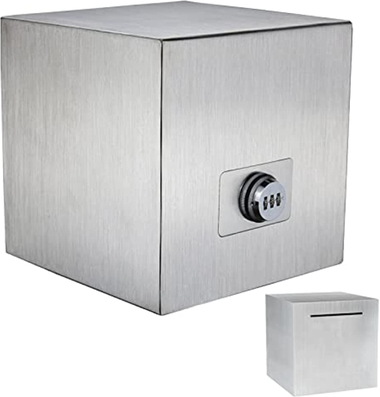
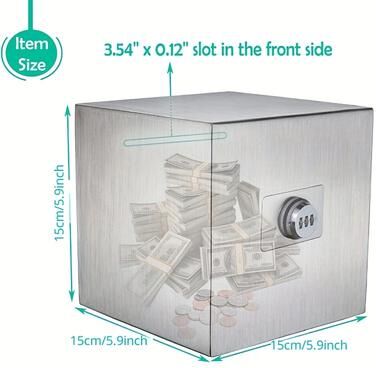
Smart Shopping Spot SecureLock Metal Bank With Password Reusable Adult Savings Box sSaving money becomes effortless when security meets motivation. This password piggy bank is designed for adults who want a reliable and disciplined way to build savings without temptation. Crafted from durable stainless steel, it offers a...79,97 $*Shipping: 0,00 $Secure redirect to the provider
-
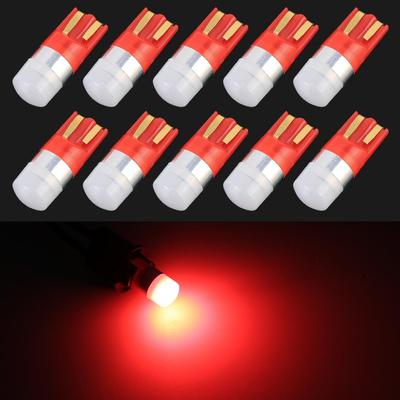
Inspired Deals 10PCS T10 LED Bulb W5W 194 LED Replacement Car Clearance Parking Lights red LightExperience brighter, more reliable lighting every time you drive. This T10 LED bulb set is designed for drivers who want a quick lighting upgrade without complicated installation. Built with efficient SMD 3030 LEDs, these car clearance lights...34,97 $*Shipping: 0,00 $Secure redirect to the provider

-
What is the difference between competitive inhibition and allosteric inhibition?
Competitive inhibition occurs when a molecule competes with the substrate for the active site of an enzyme, effectively blocking the substrate from binding and inhibiting the enzyme's activity. In contrast, allosteric inhibition occurs when a molecule binds to a site on the enzyme other than the active site, causing a conformational change that reduces the enzyme's activity. While competitive inhibition directly competes with the substrate for the active site, allosteric inhibition involves binding to a different site on the enzyme to regulate its activity. **
-
Is allosteric inhibition irreversible?
Allosteric inhibition is typically reversible, meaning that the inhibitor can bind to the allosteric site and block the activity of the enzyme, but can also dissociate from the site, allowing the enzyme to regain its activity. This is in contrast to irreversible inhibition, where the inhibitor forms a covalent bond with the enzyme, permanently inactivating it. **
-
What is allosteric inhibition?
Allosteric inhibition is a type of enzyme regulation where a molecule binds to a site on the enzyme that is different from the active site, causing a conformational change in the enzyme's structure. This change reduces the enzyme's activity and ability to bind to its substrate, ultimately inhibiting its function. Allosteric inhibition is a reversible process and can be used to regulate enzyme activity in response to changing cellular conditions. **
-
Non-competitive inhibition, right?
Non-competitive inhibition is a type of enzyme inhibition where the inhibitor binds to a site on the enzyme that is not the active site. This binding causes a conformational change in the enzyme, making it less effective at catalyzing the reaction. Non-competitive inhibitors do not compete with the substrate for binding to the enzyme. Instead, they can bind to the enzyme-substrate complex or to a separate allosteric site on the enzyme. **

What is the difference between allosteric inhibition and competitive inhibition in biology?
Allosteric inhibition occurs when a molecule binds to an allosteric site on an enzyme, causing a conformational change that reduces the enzyme's activity. This type of inhibition is non-competitive and can affect multiple enzymes in a metabolic pathway. On the other hand, competitive inhibition occurs when a molecule competes with the substrate for the active site of the enzyme, effectively blocking the substrate from binding and reducing the enzyme's activity. Competitive inhibition can be overcome by increasing the concentration of the substrate, while allosteric inhibition cannot be overcome in the same way. **
What is the difference between non-competitive inhibition and allosteric inhibition in biochemistry?
Non-competitive inhibition occurs when an inhibitor binds to an enzyme at a site other than the active site, causing a conformational change in the enzyme that reduces its activity. This type of inhibition does not compete with the substrate for binding to the active site. On the other hand, allosteric inhibition occurs when an inhibitor binds to an allosteric site on the enzyme, causing a conformational change that reduces the enzyme's activity. Allosteric inhibition can be reversible or irreversible, and it can be overcome by increasing the concentration of the substrate. **
Top-Angebote
Products related to Inhibition:
-
Smart Shopping Spot SecureLock Metal Bank With Password Reusable Adult Savings Box mSaving money becomes effortless when security meets motivation. This password piggy bank is designed for adults who want a reliable and disciplined way to build savings without temptation. Crafted from durable stainless steel, it offers a...99,97 $*Shipping: 0,00 $Secure redirect to the provider
-
Inspired Deals Dinosaur Coin Bank Toy For Kids Interactive Savings Money Bank gingerImagine turning everyday saving into a moment your child looks forward to. This dinosaur coin bank toy brings playful excitement to learning money habits, as the cute dinosaur pops out to steal coins in a fun and surprising way. Designed for kids...44,97 $*Shipping: 0,00 $Secure redirect to the provider
-
Inspired Deals 10PCS T10 LED Bulb W5W 194 LED Replacement Car Clearance Parking Lights pink LightExperience brighter, more reliable lighting every time you drive. This T10 LED bulb set is designed for drivers who want a quick lighting upgrade without complicated installation. Built with efficient SMD 3030 LEDs, these car clearance lights...34,97 $*Shipping: 0,00 $Secure redirect to the provider
-
Inspired Deals Electronic ATM Piggy Bank For Kids With Card Swipe, Password Lock, Coin & Cash Savings Safe blackTurn saving money into an exciting realworld experience for children with a smart interactive ATM piggy bank designed to make learning finance fun and engaging. This kids savings bank helps children build responsibility while enjoying realistic...129,97 $*Shipping: 0,00 $Secure redirect to the provider
-
What type of inhibition occurs through allosteric activation/inhibition?
Allosteric inhibition occurs when a molecule binds to an allosteric site on an enzyme, causing a conformational change that reduces the enzyme's activity. This type of inhibition is non-competitive, meaning it does not compete with the substrate for the active site. Allosteric activation, on the other hand, occurs when a molecule binds to an allosteric site and enhances the enzyme's activity. Both allosteric inhibition and activation involve the binding of a regulatory molecule to a site other than the active site of the enzyme, leading to a change in the enzyme's activity. **
-
Is allosteric inhibition the same as non-competitive inhibition?
Allosteric inhibition and non-competitive inhibition are not the same, although they are related. Non-competitive inhibition refers to the binding of an inhibitor to a site on the enzyme that is not the active site, thereby preventing the substrate from binding to the active site. Allosteric inhibition, on the other hand, occurs when an inhibitor binds to a site on the enzyme that is distinct from the active site, causing a conformational change in the enzyme that reduces its activity. While both types of inhibition involve the binding of an inhibitor to a site other than the active site, allosteric inhibition specifically involves a change in the enzyme's shape and activity. **
-
What is the difference between competitive inhibition and allosteric inhibition?
Competitive inhibition occurs when a molecule competes with the substrate for the active site of an enzyme, effectively blocking the substrate from binding and inhibiting the enzyme's activity. In contrast, allosteric inhibition occurs when a molecule binds to a site on the enzyme other than the active site, causing a conformational change that reduces the enzyme's activity. While competitive inhibition directly competes with the substrate for the active site, allosteric inhibition involves binding to a different site on the enzyme to regulate its activity. **
-
Is allosteric inhibition irreversible?
Allosteric inhibition is typically reversible, meaning that the inhibitor can bind to the allosteric site and block the activity of the enzyme, but can also dissociate from the site, allowing the enzyme to regain its activity. This is in contrast to irreversible inhibition, where the inhibitor forms a covalent bond with the enzyme, permanently inactivating it. **
Similar search terms for Inhibition
-
Smart Shopping Spot SecureLock Metal Bank With Password Reusable Adult Savings Box sSaving money becomes effortless when security meets motivation. This password piggy bank is designed for adults who want a reliable and disciplined way to build savings without temptation. Crafted from durable stainless steel, it offers a...79,97 $*Shipping: 0,00 $Secure redirect to the provider
-
Inspired Deals 10PCS T10 LED Bulb W5W 194 LED Replacement Car Clearance Parking Lights red LightExperience brighter, more reliable lighting every time you drive. This T10 LED bulb set is designed for drivers who want a quick lighting upgrade without complicated installation. Built with efficient SMD 3030 LEDs, these car clearance lights...34,97 $*Shipping: 0,00 $Secure redirect to the provider
-
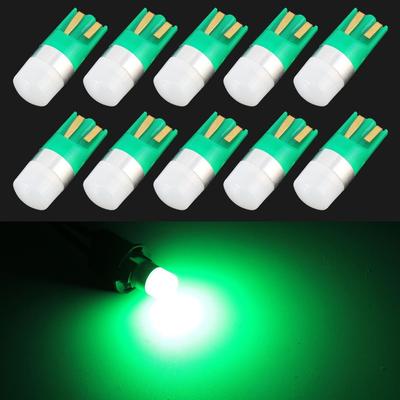
Inspired Deals 10PCS T10 LED Bulb W5W 194 LED Replacement Car Clearance Parking Lights green LightExperience brighter, more reliable lighting every time you drive. This T10 LED bulb set is designed for drivers who want a quick lighting upgrade without complicated installation. Built with efficient SMD 3030 LEDs, these car clearance lights...34,97 $*Shipping: 0,00 $Secure redirect to the provider
-
Inspired Deals 10PCS T10 LED Bulb W5W 194 LED Replacement Car Clearance Parking Lights yellow LightExperience brighter, more reliable lighting every time you drive. This T10 LED bulb set is designed for drivers who want a quick lighting upgrade without complicated installation. Built with efficient SMD 3030 LEDs, these car clearance lights...34,97 $*Shipping: 0,00 $Secure redirect to the provider
-
What is allosteric inhibition?
Allosteric inhibition is a type of enzyme regulation where a molecule binds to a site on the enzyme that is different from the active site, causing a conformational change in the enzyme's structure. This change reduces the enzyme's activity and ability to bind to its substrate, ultimately inhibiting its function. Allosteric inhibition is a reversible process and can be used to regulate enzyme activity in response to changing cellular conditions. **
-
Non-competitive inhibition, right?
Non-competitive inhibition is a type of enzyme inhibition where the inhibitor binds to a site on the enzyme that is not the active site. This binding causes a conformational change in the enzyme, making it less effective at catalyzing the reaction. Non-competitive inhibitors do not compete with the substrate for binding to the enzyme. Instead, they can bind to the enzyme-substrate complex or to a separate allosteric site on the enzyme. **
-
What is the difference between allosteric inhibition and competitive inhibition in biology?
Allosteric inhibition occurs when a molecule binds to an allosteric site on an enzyme, causing a conformational change that reduces the enzyme's activity. This type of inhibition is non-competitive and can affect multiple enzymes in a metabolic pathway. On the other hand, competitive inhibition occurs when a molecule competes with the substrate for the active site of the enzyme, effectively blocking the substrate from binding and reducing the enzyme's activity. Competitive inhibition can be overcome by increasing the concentration of the substrate, while allosteric inhibition cannot be overcome in the same way. **
-
What is the difference between non-competitive inhibition and allosteric inhibition in biochemistry?
Non-competitive inhibition occurs when an inhibitor binds to an enzyme at a site other than the active site, causing a conformational change in the enzyme that reduces its activity. This type of inhibition does not compete with the substrate for binding to the active site. On the other hand, allosteric inhibition occurs when an inhibitor binds to an allosteric site on the enzyme, causing a conformational change that reduces the enzyme's activity. Allosteric inhibition can be reversible or irreversible, and it can be overcome by increasing the concentration of the substrate. **
* All prices are inclusive of VAT and, if applicable, plus shipping costs. The offer information is based on the details provided by the respective shop and is updated through automated processes. Real-time updates do not occur, so deviations can occur in individual cases. ** Note: Parts of this content were created by AI.