Buy shopping-outlets.com ?
We are moving the project
shopping-outlets.com .
Are you interested in purchasing the domain
shopping-outlets.com ?
domain@kv-gmbh.de · 0541-91531010
Buy shopping-outlets.com ?
What are demonstrative pronouns and relative pronouns?
Demonstrative pronouns are pronouns that are used to point to specific things or people. Examples of demonstrative pronouns include "this," "that," "these," and "those." Relative pronouns are pronouns that introduce dependent clauses and connect them to independent clauses. Examples of relative pronouns include "who," "whom," "whose," "which," and "that." **
Why are demonstrative pronouns called demonstrative pronouns?
Demonstrative pronouns are called demonstrative because they demonstrate or point to a specific noun or pronoun in a sentence. They help to indicate the position or location of the noun or pronoun in relation to the speaker or listener. By using demonstrative pronouns such as "this," "that," "these," and "those," speakers can make their communication more precise and clear by specifying which person, place, thing, or idea they are referring to. **

Similar search terms for Pronouns
Top-Angebote
Products related to Pronouns:
-
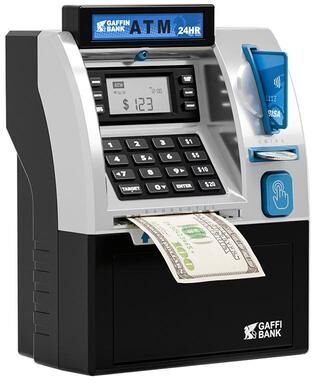
Inspired Deals Electronic ATM Piggy Bank For Kids With Card Swipe, Password Lock, Coin & Cash Savings Safe pinkTurn saving money into an exciting realworld experience for children with a smart interactive ATM piggy bank designed to make learning finance fun and engaging. This kids savings bank helps children build responsibility while enjoying realistic...129,97 $*Shipping: 0,00 $Secure redirect to the provider
-
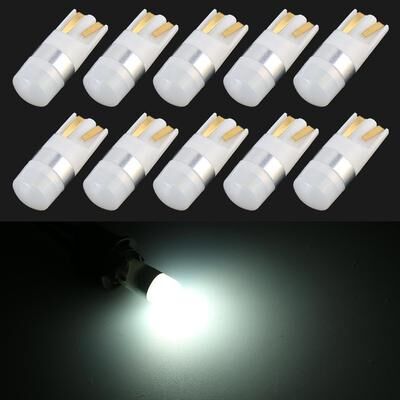
Inspired Deals 10PCS T10 LED Bulb W5W 194 LED Replacement Car Clearance Parking Lights white LightExperience brighter, more reliable lighting every time you drive. This T10 LED bulb set is designed for drivers who want a quick lighting upgrade without complicated installation. Built with efficient SMD 3030 LEDs, these car clearance lights...34,97 $*Shipping: 0,00 $Secure redirect to the provider
-
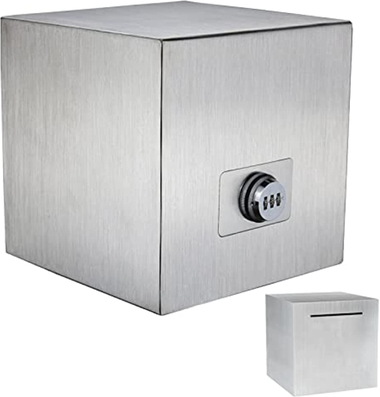
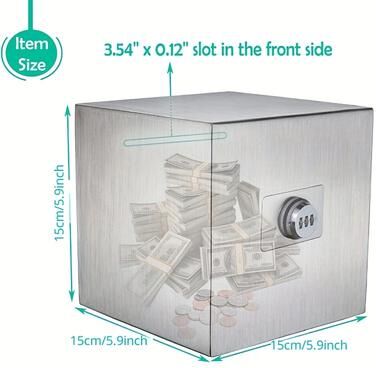
Smart Shopping Spot SecureLock Metal Bank With Password Reusable Adult Savings Box sSaving money becomes effortless when security meets motivation. This password piggy bank is designed for adults who want a reliable and disciplined way to build savings without temptation. Crafted from durable stainless steel, it offers a...79,97 $*Shipping: 0,00 $Secure redirect to the provider
-
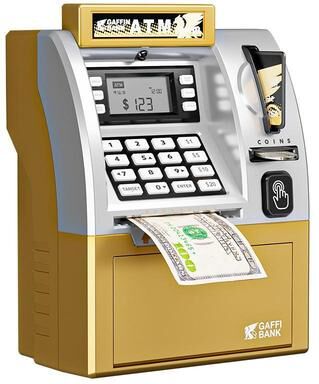
Inspired Deals Electronic ATM Piggy Bank For Kids With Card Swipe, Password Lock, Coin & Cash Savings Safe goldTurn saving money into an exciting realworld experience for children with a smart interactive ATM piggy bank designed to make learning finance fun and engaging. This kids savings bank helps children build responsibility while enjoying realistic...129,97 $*Shipping: 0,00 $Secure redirect to the provider
-
With which pronouns do many people confuse reflexive pronouns?
Many people confuse reflexive pronouns with personal pronouns. For example, they may use "myself" or "yourself" instead of "me" or "you" in a sentence. This confusion often occurs when people are trying to emphasize the subject of the sentence, but they mistakenly use a reflexive pronoun instead of a personal pronoun. It's important to understand the difference between reflexive and personal pronouns in order to use them correctly in sentences. **
-
What are pronouns?
Pronouns are words that are used in place of nouns to avoid repetition in a sentence. They can refer to people, places, things, or ideas. Pronouns help make sentences clearer and more concise by replacing specific nouns with general words like "he," "she," "it," "they," and "we." Using pronouns also helps to maintain the flow of writing and make it more engaging for the reader. **
-
Which pronouns do many people often confuse with reflexive pronouns?
Many people often confuse reflexive pronouns with intensive pronouns. Intensive pronouns are used to emphasize a preceding noun or pronoun, while reflexive pronouns are used when the subject and object of a sentence are the same. For example, "I myself will do it" uses an intensive pronoun, while "I hurt myself" uses a reflexive pronoun. It is important to understand the distinction between these two types of pronouns to use them correctly in sentences. **
-
What is the difference between personal pronouns and reflexive pronouns?
Personal pronouns are used to refer to people or things, such as "I," "you," "he," "she," "it," "we," and "they." Reflexive pronouns, on the other hand, are used when the subject and object of a sentence are the same person or thing, such as "myself," "yourself," "himself," "herself," "itself," "ourselves," and "themselves." Reflexive pronouns are used to reflect the action back onto the subject, while personal pronouns simply refer to the subject or object. **
What is the difference between reflexive pronouns and personal pronouns?
Reflexive pronouns are used when the subject and the object of a sentence are the same, indicating that the action is being performed by the subject on itself. For example, "I hurt myself." In this sentence, "myself" is a reflexive pronoun. Personal pronouns, on the other hand, are used to refer to people or things and can be the subject or object of a sentence. For example, "She loves him." In this sentence, "she" and "him" are personal pronouns. **
Can you help me with personal pronouns and possessive pronouns?
Certainly! Personal pronouns are used to replace nouns in a sentence, such as "I", "you", "he", "she", "it", "we", and "they". Possessive pronouns show ownership or possession, such as "mine", "yours", "his", "hers", "ours", and "theirs". If you need help understanding how to use these pronouns in a sentence or identifying which pronoun to use in a specific context, feel free to ask for more guidance. **
Top-Angebote
Products related to Pronouns:
-
Smart Shopping Spot SecureLock Metal Bank With Password Reusable Adult Savings Box mSaving money becomes effortless when security meets motivation. This password piggy bank is designed for adults who want a reliable and disciplined way to build savings without temptation. Crafted from durable stainless steel, it offers a...99,97 $*Shipping: 0,00 $Secure redirect to the provider
-
Inspired Deals Dinosaur Coin Bank Toy For Kids Interactive Savings Money Bank gingerImagine turning everyday saving into a moment your child looks forward to. This dinosaur coin bank toy brings playful excitement to learning money habits, as the cute dinosaur pops out to steal coins in a fun and surprising way. Designed for kids...44,97 $*Shipping: 0,00 $Secure redirect to the provider
-
Inspired Deals Electronic ATM Piggy Bank For Kids With Card Swipe, Password Lock, Coin & Cash Savings Safe pinkTurn saving money into an exciting realworld experience for children with a smart interactive ATM piggy bank designed to make learning finance fun and engaging. This kids savings bank helps children build responsibility while enjoying realistic...129,97 $*Shipping: 0,00 $Secure redirect to the provider
-
Inspired Deals 10PCS T10 LED Bulb W5W 194 LED Replacement Car Clearance Parking Lights white LightExperience brighter, more reliable lighting every time you drive. This T10 LED bulb set is designed for drivers who want a quick lighting upgrade without complicated installation. Built with efficient SMD 3030 LEDs, these car clearance lights...34,97 $*Shipping: 0,00 $Secure redirect to the provider
-
What are demonstrative pronouns and relative pronouns?
Demonstrative pronouns are pronouns that are used to point to specific things or people. Examples of demonstrative pronouns include "this," "that," "these," and "those." Relative pronouns are pronouns that introduce dependent clauses and connect them to independent clauses. Examples of relative pronouns include "who," "whom," "whose," "which," and "that." **
-
Why are demonstrative pronouns called demonstrative pronouns?
Demonstrative pronouns are called demonstrative because they demonstrate or point to a specific noun or pronoun in a sentence. They help to indicate the position or location of the noun or pronoun in relation to the speaker or listener. By using demonstrative pronouns such as "this," "that," "these," and "those," speakers can make their communication more precise and clear by specifying which person, place, thing, or idea they are referring to. **
-
With which pronouns do many people confuse reflexive pronouns?
Many people confuse reflexive pronouns with personal pronouns. For example, they may use "myself" or "yourself" instead of "me" or "you" in a sentence. This confusion often occurs when people are trying to emphasize the subject of the sentence, but they mistakenly use a reflexive pronoun instead of a personal pronoun. It's important to understand the difference between reflexive and personal pronouns in order to use them correctly in sentences. **
-
What are pronouns?
Pronouns are words that are used in place of nouns to avoid repetition in a sentence. They can refer to people, places, things, or ideas. Pronouns help make sentences clearer and more concise by replacing specific nouns with general words like "he," "she," "it," "they," and "we." Using pronouns also helps to maintain the flow of writing and make it more engaging for the reader. **
Similar search terms for Pronouns
-
Smart Shopping Spot SecureLock Metal Bank With Password Reusable Adult Savings Box sSaving money becomes effortless when security meets motivation. This password piggy bank is designed for adults who want a reliable and disciplined way to build savings without temptation. Crafted from durable stainless steel, it offers a...79,97 $*Shipping: 0,00 $Secure redirect to the provider
-
Inspired Deals Electronic ATM Piggy Bank For Kids With Card Swipe, Password Lock, Coin & Cash Savings Safe goldTurn saving money into an exciting realworld experience for children with a smart interactive ATM piggy bank designed to make learning finance fun and engaging. This kids savings bank helps children build responsibility while enjoying realistic...129,97 $*Shipping: 0,00 $Secure redirect to the provider
-
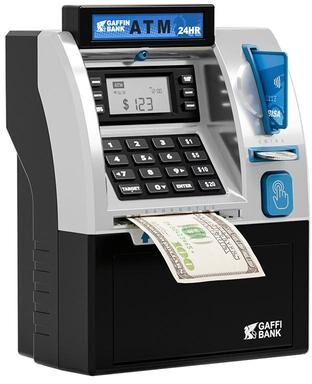
Inspired Deals Electronic ATM Piggy Bank For Kids With Card Swipe, Password Lock, Coin & Cash Savings Safe blackTurn saving money into an exciting realworld experience for children with a smart interactive ATM piggy bank designed to make learning finance fun and engaging. This kids savings bank helps children build responsibility while enjoying realistic...129,97 $*Shipping: 0,00 $Secure redirect to the provider
-
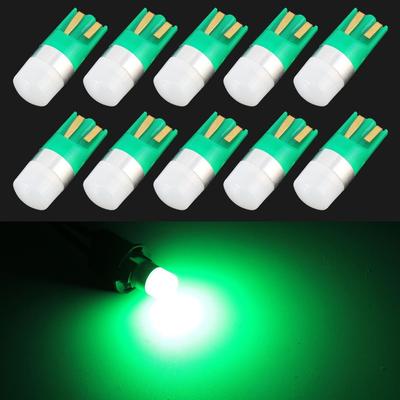
Inspired Deals 10PCS T10 LED Bulb W5W 194 LED Replacement Car Clearance Parking Lights green LightExperience brighter, more reliable lighting every time you drive. This T10 LED bulb set is designed for drivers who want a quick lighting upgrade without complicated installation. Built with efficient SMD 3030 LEDs, these car clearance lights...34,97 $*Shipping: 0,00 $Secure redirect to the provider
-
Which pronouns do many people often confuse with reflexive pronouns?
Many people often confuse reflexive pronouns with intensive pronouns. Intensive pronouns are used to emphasize a preceding noun or pronoun, while reflexive pronouns are used when the subject and object of a sentence are the same. For example, "I myself will do it" uses an intensive pronoun, while "I hurt myself" uses a reflexive pronoun. It is important to understand the distinction between these two types of pronouns to use them correctly in sentences. **
-
What is the difference between personal pronouns and reflexive pronouns?
Personal pronouns are used to refer to people or things, such as "I," "you," "he," "she," "it," "we," and "they." Reflexive pronouns, on the other hand, are used when the subject and object of a sentence are the same person or thing, such as "myself," "yourself," "himself," "herself," "itself," "ourselves," and "themselves." Reflexive pronouns are used to reflect the action back onto the subject, while personal pronouns simply refer to the subject or object. **
-
What is the difference between reflexive pronouns and personal pronouns?
Reflexive pronouns are used when the subject and the object of a sentence are the same, indicating that the action is being performed by the subject on itself. For example, "I hurt myself." In this sentence, "myself" is a reflexive pronoun. Personal pronouns, on the other hand, are used to refer to people or things and can be the subject or object of a sentence. For example, "She loves him." In this sentence, "she" and "him" are personal pronouns. **
-
Can you help me with personal pronouns and possessive pronouns?
Certainly! Personal pronouns are used to replace nouns in a sentence, such as "I", "you", "he", "she", "it", "we", and "they". Possessive pronouns show ownership or possession, such as "mine", "yours", "his", "hers", "ours", and "theirs". If you need help understanding how to use these pronouns in a sentence or identifying which pronoun to use in a specific context, feel free to ask for more guidance. **
* All prices are inclusive of VAT and, if applicable, plus shipping costs. The offer information is based on the details provided by the respective shop and is updated through automated processes. Real-time updates do not occur, so deviations can occur in individual cases. ** Note: Parts of this content were created by AI.